A low-level, long-term write off
July 14, 2010
Tip #4: Our final tip in our mini series on How to Reduce Toxic Exposure is (surprise!) switching to non-toxic office and school supplies. AusPen eco-friendly dry-erase markers will clear the office or classroom air of harmful toxins. Xylene, a chemical solvent and neurotoxin found in conventional markers, is polluting indoor air and creating the conditions for headaches, asthma, fuzzy thinking, and memory loss. Scientists are increasingly turning their attention to the health effects of low-level, long-term exposure to harmful chemicals such as xylene. This is certainly the case in any indoor space where a whiteboard is being used.
We began these How to blogs in search for simple ways in our daily lives to limit the ever-present chemicals we are exposed to. On the grounds of the Precautionary Principle – the need to take action in the midst of uncertainty – and for the sake of a cleaner lifestyle, here is a summary of the 4 best ways to control our everyday toxic exposure.
| EcoSmart’s Top Tips At a Glance:
Tip #1: Buy organic when buying ‘Dirty Dozen’ produce; eat more of the ‘Clean 15’ produce Tip #2: Avoid commercial cologne and fragrances that interfere with our hormones and pose other health risks Tip #3: Follow homemade recipes for all types of regular cleaning chores Tip #4: Switch to AusPen non-toxic markers in the office or classroom
|
A non-toxic recipe for success
July 8, 2010
Tip # 3. Now we move from the bathroom to…all over the house in our tips on How to Reduce Toxic Exposure in our daily lives. A quick glance at the common ingredients in commercial cleaning products versus homemade cleaning solutions makes DIY green cleaning choices a no-brainer.
| Commercial cleaning ingredients | DIY cleaning ingredients |
| Ammonia | Vinegar |
| 2-butoxyethanol | Cornstarch |
| Ethoxylated nonyl phenols (NPEs) (aka gender-benders) | Baking soda |
| Silica | Castile soap |
| Phosphates | Borax |
| Petrochemical fragrances | Essential oils |
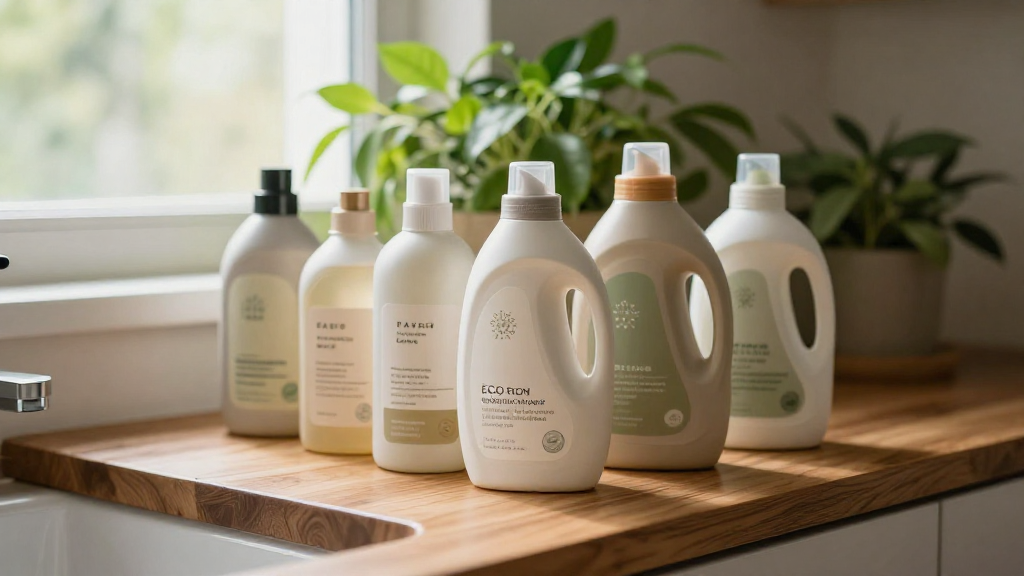
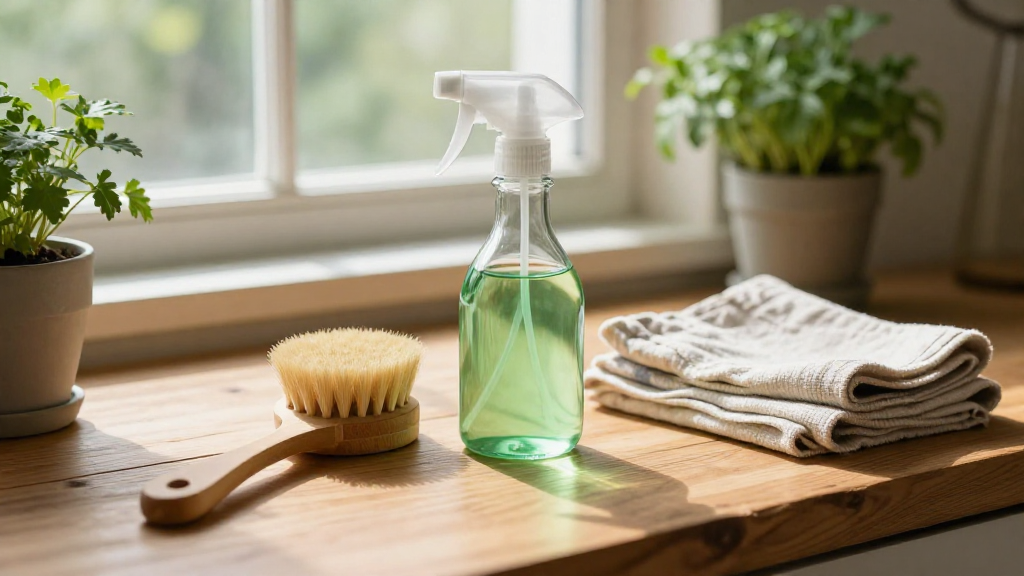
For this tip, we’re linking you to a site loaded with easy recipes calling for ingredients you probably already have. You may have to run out and get some less common items like soap flakes, glycerin, essential oils and borax, but once you do, you’ll have a whole eco janitorial closet. The different concoctions deal with toilets, floors, oven, mirrors, and appliances and will replace your chemical-drenched laundry detergent, dishwashing detergent, liquid dish soap, fabric softeners and disinfectant sprays.
You can clean up your act at: http://www.natural-healthy-home-cleaning-tips.com/natural_home_cleaning_recipes.htm
Raising a stink about smelling good
July 6, 2010
Tip #2: Our next lifestyle tip on How to Reduce Toxic Exposure moves us from the kitchen to the bathroom. Many of the scents we use to mimic the smells of nature are anything but natural. We now understand that fragranced products we use in our beauty routines (you too, men!) are disrupting our hormones, triggering allergies and posing a risk for a range of health effects from sperm damage, thyroid disruption and cancer. Beauty just got ugly.
A new study: ‘Not So Sexy, The Health Risks of Secret Chemicals in Fragrance’ released by The Environmental Working Group in May 2010 revealed that many top-selling fragrance products contain:
- secret chemicals not listed on labels,
- chemicals that have not been assessed for safety (the fragrance industry has published safety assessments for only 34% of the unlabeled ingredients), and/or
- multiple chemicals that can trigger allergic reactions or disrupt hormones.
Consider the effect of these endocrine-disrupting chemicals in teenagers whose hormones are already going haywire. Afterall, it is largely the teen demographic that is using popular fragrances (Britney Spears’ Curious, Axe body spray for men, Calvin Klein’s Eternity, Jennifer Lopez’s J. Lo Glow) whose chemicals have troubling hazardous properties or have a propensity to accumulate in human tissues.
What is really surprising about this study is that it concludes that we really have no way of knowing exactly which of our beauty products may be harmful. Even ‘unscented’ products may use chemicals as fragrance maskers.
So what to do? Go ‘au natural’? Not necessarily. Most products which list “essential oils” or “botanical essential oils” are a healthy choice. For now, they’re our best bet to help us come up smelling like roses.
How to Reduce Toxic Exposure
July 1, 2010
Recent studies are linking environmental toxins to learning disabilities. Although it hasn’t been demonstrated with scientific certainty that the ever-increasing amounts of toxic chemicals in our environment have directly resulted in a spike in neurological problems in children, it stands to reason that limiting our exposure to harmful chemicals is our best defence. Taking action in the face of uncertainty is formally called the Precautionary Principle. At EcoSmart Products, we call it a no-brainer.
A little knowledge goes a long way in helping us limit our exposure to the countless toxins and chemical aggregates leaching their way into our bodies. Here’s the first in our series of tips on How to Reduce Toxic Exposure:
Tip #1: Consider going organic when purchasing the “dirty dozen” fruits and vegetables. According to test results by the Environmental Working Group, these produce items are found to be the most contaminated by pesticides: peaches, apples, bell peppers, celery, nectarines, strawberries, cherries, kale, lettuce, imported grapes, carrots and pears.
By incorporating more of the “Clean 15″, produce found to have the least amount of pesticide residue, we’ll have a better chance of steering clear of toxins. These fruits and vegetables are: onions, avocados, sweet corn, pineapples, mangos, asparagus, sweet peas, kiwi, cabbage, eggplant, papaya, watermelon, broccoli, tomatoes and sweet potatoes.
Stay tuned for upcoming blog tips on how to control our exposure to toxic substances.
So long, Nature
June 29, 2010
Is it fear of letting our kids play outdoors, an over-scheduled life, or the lure of the screen that is causing “Nature Deficit Disorder”?
Richard Louv coined this term in his 2005 book, “Last Child in the Woods: Saving Our Children from Nature Deficit Disorder”. Louv said when people hear this unofficial term, “they’re immediately familiar with the issue”.
At the University of Guelph, associate professor Nathan Perkins and grad student Sarah McCans researched the role mothers play in exposing children to nature and found that moms have “very vague and powerful fears” when it comes to letting their kids play unsupervised outdoors. As a result, this generation of youngsters mostly experiences nature as a programmed experience.
It seems to me that a prerequisite of environmental stewardship (and sustainable living) would be a deep connection with the natural environment. Are we unwittingly unplugging our children from the wonders of the outdoors?
8 Ways to a Healthier School
June 22, 2010
As summer heats up and the classrooms empty, it’s a good time to consider the overall health of your school environment. Here’s a list of the top offenders:
8 Concerns for a Healthy School
1. Heating, cooling and ventilation. The quality of indoor air affects the health, learning and productivity of students. In some schools the fresh air supply has been closed off. In many others the heating, ventilating and air-conditioning systems (HVAC) are not properly cleaned, leaving dirty or mouldy filters to release allergens into the classroom.
2. Pest controls. Most schools use toxic chemicals to keep pests out of schools. In a survey in New York state, it was found that 87% of the schools used pesticides, all of which “contained substances which may cause immediate or long-term health problems.”
3. Cleaning products. Most products used to clean schools are corrosive and contain toxic irritants such as ammonia, ethanol or chlorine bleach. Disinfectants may contain naptha, cresol, lye and formaldehyde. Waxes and floor strippers contain toxic chemicals that can linger for days inside a schoolroom.
4. Chemicals. Photocopiers, dry-erase markers, wall paint, and science lab chemicals are among the polluting factors in schools, leaving noxious fumes and volatile organic compounds (VOCs) in the classroom and supply room air.
5. Fragrances. According to the U.S. Food and Drug Adminstration (FDA), fragrances cause 30% of all allergic reactions. When exposed to perfume, more than 70% of asthmatics develop respiratory symptoms. Tests have confirmed that perfume often shuts down learning capacity.
6. Site selection. A school building close to a highway will have a sizeable percentage of the exhaust-related pollution entering its grounds.
7. Lighting. Inadequate daytime light exposure can cause lethargy. Daylight, with all its subtle changes of sunlight throughout the day, is the best base for providing healthy lighting in a classroom.
8. Art supplies. Toxic art materials such as paints, clays, adhesives, and markers can impact the body through inhalation, ingestion, or skin contact.
While this list can seem overwhelming, especially when we consider the consequences on the health of our children and teachers, there are so many green alternatives and practices that can be brought to our schools’ attention. Even one step towards a healthier school will make a big difference.
Information and stats from www.healthyschools.com
Year-end lesson ideas
June 17, 2010
Looking for a creative year-end classroom activity? Activities that create the opportunity for reflection, visioning and internalization are memorable for us all. Give your students a chance at the whiteboard with one of these fun and meaningful assignments. (Hint: this works in offices too!):
- Write a motto, slogan, truth, etc based on learning from this year’s class
- Create a huge Venn diagram on the board and have the students write words, symbols or simple drawings. Headings could include: School and Summer Vacation, or Formal and Informal Learning.
- Draw a picture of your best moment this year
- Write a phrase (e.g. Thank you, Goodbye, etc) in all different languages (students draw a language and look it up).
- Draw one big collective picture on the board, based on an open-ended question or phrase (e.g. What I want the world to look like is… )
To all the educators and administrators out there who are winding down for the school year, have a great summer!
Green Gift Ideas for Father’s Day
June 9, 2010
It’s almost Father’s Day. A great time for breakfast in bed, homemade cards and crafts, and possibly a little indulgence for that special dad? This year consider going green with a father’s day gift that will resonate with the lifestyle of the special men on your list.
For the coffee-loving father, treat him with some organic coffee beans, a reuseable mug, or a ceramic travel mug to call his own. They now have ceramic mugs with lids at Chapter’s/Indigo. While there, you can check out their cool water-powered clock.
For the office or classroom dad, get him his own AusPen starter kit. He’ll love having his own set of non-toxic refillable markers and keeping his office or classroom free of toxic marker fumes.
For the gardener, try a compost bin, a garden ornament, or plant some herbs, a shrub or a tree for him in his own garden. Also, check out the new spray nozzle for your garden hose that monitors your water use with an LCD display! No garden at home? Think about donating toward the protection of land and animals with the Nature Conservancy.
For the healthy eater, consider going for a meal at a restaurant that features local foods or follows the 100 mile diet. For a longer lasting meal, buy shares with a community supported agriculture (CSA) group for locally-grown veggies and fruit.
For the runner, think about organic outdoor wear from outlets like Patagonia, or a new reuseable and BPA-free bottles like the ones from Sigg or Kleen Kanteen (for the month of June, Kleen Kanteen is donating $2 per bottle for Breast Cancer Prevention).
For the shopping, gym-going, or book-carrying dad, www.reuseablebags.com has every type of bag. Speaking of bags, how about an eco-friendly diaper or messenger bag for the new dad? Most baby boutiques will stock masculine-looking bags made of recycled rubber or organic cotton.
No matter which green gift you choose, the father you are honoring will certainly appreciate the eco-values you are supporting, especially if the gift is topped off with a personal touch such as photos, sincere words and some quality time.
Teacher gifts, with a little nudge
June 8, 2010
Q: How can I drop a hint to the parents of the kids in my class that AusPen non-toxic markers would make a great year-end thank you gift?
It’s a tricky question, but here are my thoughts.
A: Teachers often include a short note in their class communications at Christmas and year-end asking parents who are considering giving a gift to make a donation to their favourite cause or to purchase something for the benefit of the class. Parents in the gift-giving mood will appreciate your helpful hint as long as there is no assumption that a gift must be purchased in the first place.
Have an idea? Post a comment. We`d love to hear your thoughts.
AusPen at Seattle Green Festival 2010
June 1, 2010
EcoSmart Products is proudly attending this weekend`s Seattle Green Festival – the world`s largest consumer event series dedicated to green products, organics, sustainability and social justice.
In the area? Contact us at info@ecosmartworld.com for a complimentary pass to the Green Fest! Stop by the AusPen booth on June 5&6 at the Washington State Convention & Trade Center, where you can chat with us and purchase AusPen starter kits at a special conference price.
For more info on the festival, go to: http://www.greenfestivals.org/seattle/